
Find Dinuba Residents Step by Step
Start a Dinuba residents directory search by naming the question. A known address points to the Tulare County Assessor and its parcel map first. A known owner or seller points to the Recorder's indexed instruments instead. Someone checking their own registration can use California's My Voter Status tool. A lawful request for voter-file data follows its own purpose and security process. Family-history questions may begin with a directory, newspaper, census schedule, or probate case.
These sources never describe the same thing. An assessor result identifies a parcel and its traits. A deed identifies the indexed parties to one instrument. A directory records a surveyed household at a set moment. A court index shows a case relationship, not every fact in a file. Any single result can narrow a residents directory search. It cannot prove who lives at an address today.
- Start with the strongest known pivot: full name, address, parcel number, case number, or directory year.
- Use MPTS or GIS to tie a Dinuba street address to an APN and the parcel's current recorder document.
- Use the recorder index, court index, vital-record route, or official license and business search that fits the question.
- Use the library shelf and newspaper runs for older residents, moves, deaths, and family links.
- Request a known record from the custodian when the web index ends, then label the result as an index, image, or certified copy.
That sequence keeps a lookup grounded. It also leaves a clear fallback when a portal is limited or a record is protected.
Where Dinuba Keeps Resident Records
Dinuba's record trail splits between City Hall and Tulare County offices in Visalia. The Dinuba City Clerk holds municipal proceedings, public-record requests, board and commission rosters, campaign and conflict filings, and other city material. Durable land, tax, certificate, fictitious-business-name, and court records are chiefly county or state holdings. The county seat matters here. A Dinuba address does not mean every file sits at the Dinuba court branch.
Tulare County Recorder
221 S. Mooney Blvd., Room 103
Visalia, CA 93291
(559) 636-5050
Tulare County Assessor
221 S. Mooney Blvd., Room 102E
Visalia, CA 93291
County complex contact
Tulare Registrar of Voters
5300 W. Tulare Ave., Suite 105
Visalia, CA 93277
(559) 839-2100
Inside the county complex, the Recorder sits in Room 103. The Clerk is in Room 105. The Assessor operates from Room 102E. Hours, recording windows, and copy rules differ by counter. The Recorder reports 8 to 5 office hours and 8 to 3 recording hours. A focused request should name a record class and time span. That works better than asking an office to assemble a complete Dinuba residents directory.
Dinuba Parcel Search Fields
The Tulare MPTS property search is the best first stop. It works when the known fact is an address. It offers no owner-name directory. The search page asks for a parcel, assessment, or street-address key. It then returns a current assessment profile. That gap matters in a Dinuba residents directory. The public result helps locate the land record but supplies no household list.
| Field | What Dinuba researchers should enter |
|---|---|
| SEARCH BY | FEE PARCEL, ASSESSMENT, or STREET ADDRESS |
| SEARCH TERM | 2 to 20 characters |
| Street wording | Omit Street, Road, Drive, and Lane; use N, E, S, or W for directions |
| Result bridge | APN, situs, current recorder document and date, values, exemptions, and property characteristics |
Open the Tulare MPTS Property Search with a shortened address form. Note the APN and current document number from the result. The profile can show assessment, tax-rate area, acreage or square feet, and legal shorthand. It can also show building sequence with year-built fields. Owner names and mailing addresses stay out of the public profile. That missing field is not an error to fill with guesswork.
- Parcel
- A mapped unit of land identified by an assessor parcel number.
- Situs address
- The physical location of the parcel, distinct from a tax mailing address.
- Roll
- An assessment record describing taxable property, not a census of household members.
- Index
- A finding aid that points to a record; it is not the full instrument or a certified copy.
Note: A parcel profile is a land-record bridge, not proof that every person tied to the parcel resides there.
Dinuba Deeds Behind the Directory
Once an APN is known, the current recorder document gives the search a person-centered direction. Open the Tulare recorded-document index and search by document number or indexed parties. The kiosk supports name, document number, document type, map book and page, and advanced searches. A name search begins in 1960. Known document numbers reach back to 1949.
Recorder names use last name first, without punctuation. Variants can use a required term, excluded term, sounds-like symbol, wildcard, fuzzy or proximity search, quoted phrases, parentheses, and alternatives. A typical result lists indexed parties and roles, recording date, document number and type, book and page, page count, and APN or legal remarks when available. A purchased image may add signatures, legal description, transfer-tax details, and a tax-statement mailing block. Remember that a deed of trust, reconveyance, or lien is not the same event as a sale.
The index is free to inspect, but images and copies carry charges. Uncertified images can be downloaded after checkout. Certified copies come by counter or mail. Lobby computers and microfiche still matter when the online name route does not reach the needed year. Staff can explain access and retrieve a known document. They will not perform a title search for the researcher.
Dinuba's Current Resident Sources
Several official sources look directory-like, yet each lists a different population or relationship. The table below keeps those meanings separate. That clarity makes the Dinuba residents directory more useful than one blended list.
| Source | What it can show | Keeper | Access |
|---|---|---|---|
| MPTS and GIS | Parcel, APN, situs, characteristics, adjacency | Tulare Assessor | Free web portals |
| Recorder index | Parties to deeds, liens, trusts, and reconveyances | Tulare Recorder | Free index; paid images or copies |
| My Voter Status | A person's own registration status | California Secretary of State | Self-lookup only |
| Municipal files | Public officials, applicants, permits, reports, and city actions | Dinuba City Clerk or department | Portal or written request |
| Official state searches | Businesses, licenses, custody, and registry records | California agencies | Record-specific public portals |
Voter rolls are not a street directory. City records can name people involved in a public action, yet they never form a resident census. The Dinuba resident lookup angle pays off when one person and two independent identifiers are already known. Whole-street work needs the parcel and recorder chain instead.
What Dinuba City Hall Retrieves
Maria Alaniz runs Dinuba's City Clerk office. The counter at 405 E. El Monte Way keeps council proceedings, historic municipal documents, the Municipal Code and Charter, and board and commission applications and rosters. Form 700 filings, campaign filings, claims, and authority records live there too. The office also serves financing and redevelopment successor bodies. These records show a person's public role. They cannot be stretched into a private-household census.
The Dinuba public-record request form asks for a date, requester contact information, and a specific description by title, type, or approximate date. Staff record receipt and completion, charge, format, and delivery by mail, fax, email, or inspection. The policy allows ten days for a disclosure determination. Paper pages cost $0.10. Other media carry direct cost. For a permit or code file, include a situs, an APN if known, the record class, and a date range. The Dinuba City Clerk page is the municipal doorway, and it separates a city-held records request from a county parcel search.
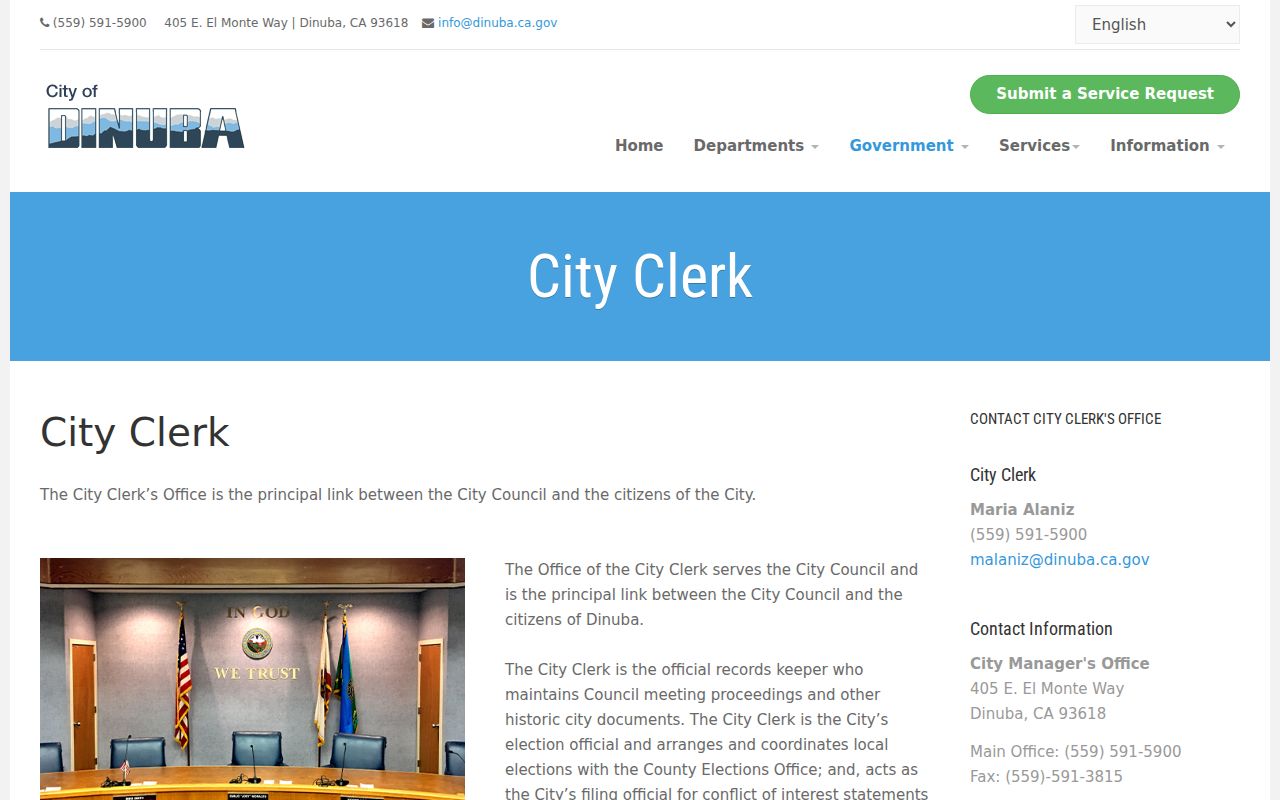
City records never amount to a full Dinuba residents directory. They name participants in public actions, not every resident.
Dinuba Police opens a narrower channel. Releasable items include crime and traffic reports, local record checks, calls-for-service copies, fingerprints, VIN verification, citation copies, and animal-license or recovery records. Some reports cannot be released. The 2026-27 fee schedule lists $26 for a records search, $26 for an accident or investigation report, and $52 for a crime-report copy. Digital media runs at actual cost. Fingerprint walk-ins run Monday through Friday, 8:30 to 2:30, when availability allows.
Why Dinuba Voter Records Stay Limited
California's voter rolls answer a different question. My Voter Status works as a self-check. Full voter files come through Tulare County's Registrar. A complete request needs an applicant name, purpose, requested data, security plan, and wet signature. The county may also want an affiliation or institution letter and a current driver-license or state-ID copy. Approved in-person requests are typically ready in one business day. Mailed requests take an extra day.
Permitted files can include names, addresses, contact and language fields, birth date, party, precinct, status, vote-by-mail status, and participation history when allowed. Driver-license and Social Security numbers, unique identifiers, signatures, protected voters, and preregistrants stay excluded. Participation history never shows ballot choices. Section 18109 and the county terms penalize misuse. The official California My Voter Status screen shows the individual route a voter should use.
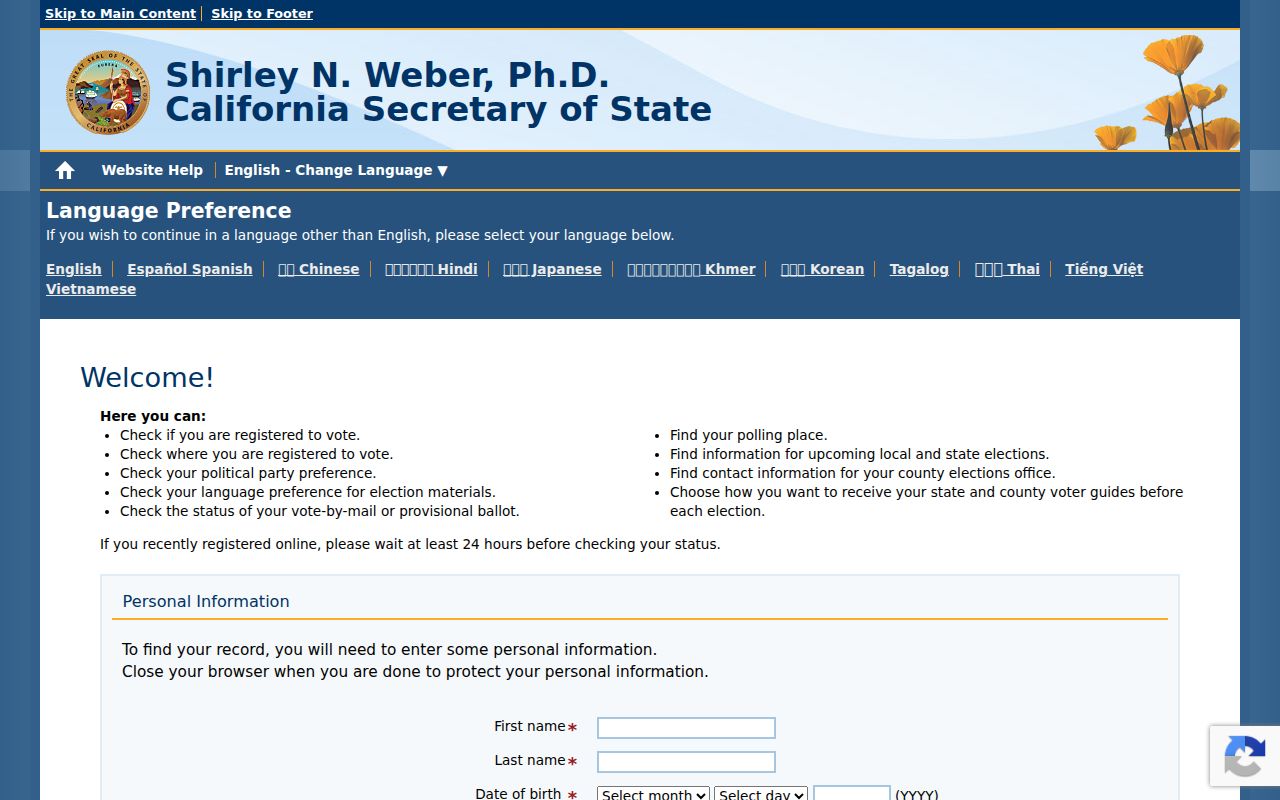
A status check helps the voter who runs it. It grants no license to enumerate a Dinuba block or infer a household from one street.
Note: A voter file is a purpose-restricted election record, not an open Dinuba resident directory.
Dinuba Courts and Vital Certificates
The Tulare Superior Court case index ties a name to a public case role, filing place, case category, hearing, register of actions, or disposition. Dinuba Division sits at 640 S. Alta Ave. It handles criminal, traffic, family, DCSS, and assigned north-county small claims matters. Civil and probate work usually routes to Visalia. So does most copying, and hours run Monday, Wednesday, and Thursday, 8 to 4. Tuesday and Friday are closed.
Juvenile, sealed, adoption, confidential parentage, and protected family material stays out of a casual name search. Viewing happens at the proper clerk counter. Bring identification and sign the viewing log. Calendared files may be unavailable two days before through three days after a hearing, and an offsite file can take up to two weeks. Mail copies need known case details. The county also expects a not-to-exceed check; family-law mail guidance lists $15 plus $0.50 per page and a stamped envelope. A docket line proves filing and date, not the truth of every allegation in an attached document. The Tulare Superior Court entry is the doorway.
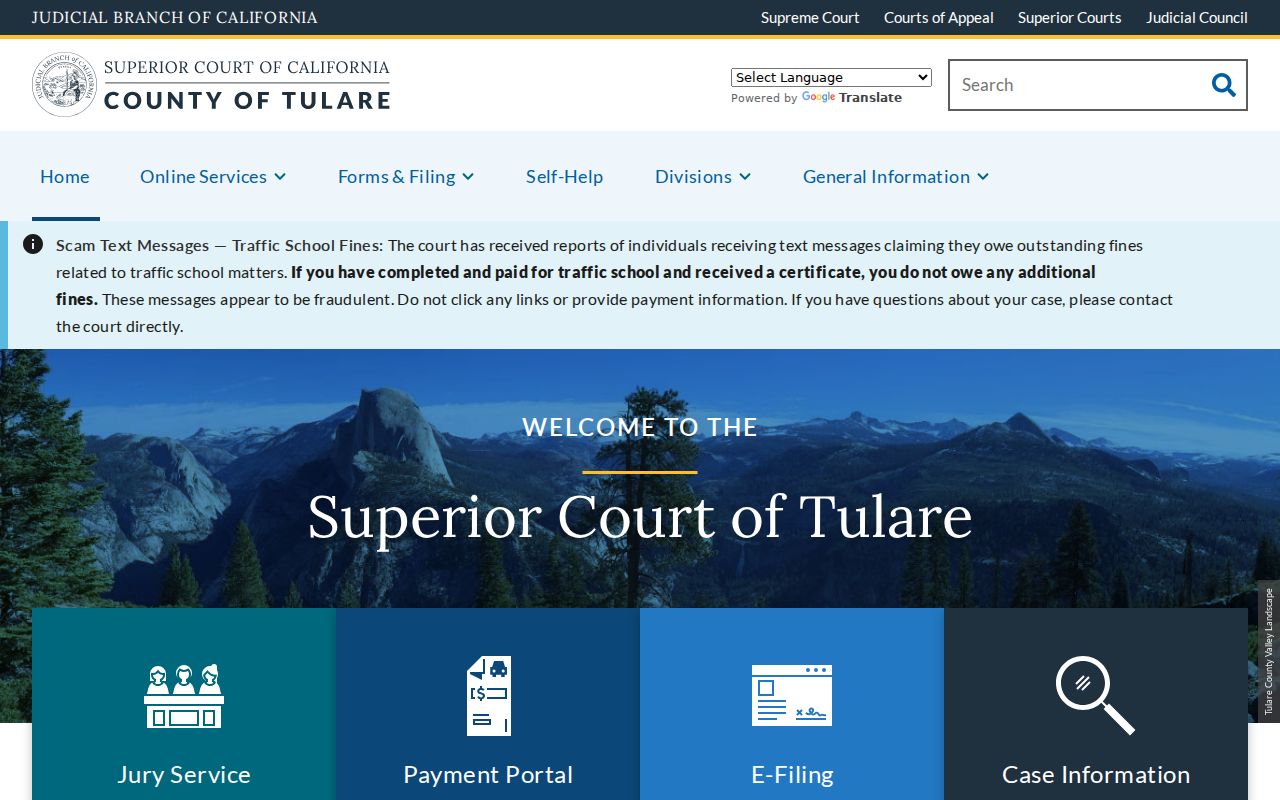
Treat a court result as a stable-number lead. Request only the identified document. Vital records follow a different eligibility model. Tulare County and CDPH issue birth, death, and public-marriage certificates as authorized or informational copies, and informational copies generally cannot establish identity. Authorized copies demand a statutory relationship or legal role and a sworn statement, often notarized for mail orders. Divorce decrees remain court files, and the state's $18 dissolution certificate is not the decree. Confidential marriages require a spouse or court order.
Dinuba Resident Directories Through Time
The genealogy shelf at Tulare Public Library holds the best directory list for Dinuba researchers. But every volume is countywide and needs checking for town coverage. Titles include an 1888 Tulare County Business Directory. A 1904-05 county business and resident directory sits there too. A six-county regional telephone directory from 1908-09 sits nearby. The shelf also holds selected 1930s county titles and R.L. Polk's Tulare County volumes from 1934 through 1958 in uneven years. A county title alone does not prove Dinuba coverage.
A typical Polk entry lists surname and given name, and a spouse in parentheses. It may also carry occupation, organization, residence, widow notation, and ownership markers. A reverse section may arrange streets and house numbers. These are habits of the directory tradition, not a confirmed Dinuba sample. Photograph or transcribe the title page, publisher, towns covered, abbreviation key, and section list. Do this before trusting an entry as local evidence. The Dinuba city directory collections page carries the full shelf method.
The library's newspaper runs cover Dinuba Advocate from 1907 to 1915. Dinuba Sentinel runs from 1909 to 2018. Dinuba Daily Sentinel covers 1929 to 1934. All are on microfilm or BMI Digital Reel. Newspapers can bridge a directory gap. They offer move notices, weddings, obituaries, business ties, and probate notices. Federal census schedules are public through 1950. Most 1890 schedules burned.
Dinuba Library and Newspaper Shelf
Dinuba Branch Library sits at 150 S. I Street and was Tulare County Library's first branch. Its direct phone is 559-595-7195. Published hours are Tuesday 10 to 1 and 2 to 6. Wednesday hours are 10 to 1 and 2 to 7. Thursday and Friday hours are 10 to 1 and 2 to 6. The branch is the local doorway to newspaper reels. It also offers county e-resources and referrals to the Annie R. Mitchell History Room.
Its history adds context to the historical Dinuba residents directory. The branch opened in 1910 inside Dopkins Furniture Store. It later moved to the Snell Building and the Chamber of Commerce. It then received an $8,000 Carnegie library in 1916. The Chamber building and its contents burned in July 1916. The Carnegie building opened four days later. That fire was a library loss, not a courthouse-record disaster. It cannot explain missing county deeds.
For early identity work, pair the newspaper and directory shelf with Tulare Great Registers. The registers cover 1869, 1872, 1879-80, 1882, 1884, 1886, 1888, 1890, 1892, 1894, and 1896. FamilySearch film, the California State Library, NARA census schedules, and the Library of Congress Sanborn catalog add context. The corrected 1925-44 Dinuba Sanborn set is cataloged but not online. Those maps show structures and street continuity, not occupants.
Dinuba's Official Specialty Rolls
An affiliation search sometimes starts with a public organization rather than a home address. California's bizfile Online connects a name to an entity, filing, registered agent, or principal address. It warns that an online result is not complete or certified. Tulare fictitious business-name records identify a trade-name registrant. City license and permit files can add a local operating connection. This applies when a focused request is made.
California's professional-license search takes a board or bureau, license type, name, number, city, or county. Results can show status, issue or expiration, public address where available, and discipline documents. The DCA result is a registration lead, not proof of residence. Keep the sequence entity, FBN, then city record, with dates and identifiers separated. The California business search page shows how an affiliation search begins.
Business filings can reconnect a name to a public organization. They should not be recast as a current household record.
Custody and registry tools are also narrow. Tulare County's Sheriff Inmate Search shows current custody. CDCR's CIRIS search is updated daily for state custody. The federal BOP locator covers federal records after 1982. California's Megan's Law site offers name, map, and address modes. Display categories are set by law. Each source answers a specific public-record question and carries its own use limits.
Dinuba Custody and Registry Sources
Inmate and offender searches should be read as current or statutory registry information. They are not a full criminal history. CDCR's CIRIS accepts a last name or CDCR number. It can show a name, age, number, location, admission, commitment county, and parole eligibility. The BOP locator takes a name or federal number. It returns register number, age, release information, and facility when available. Tulare's jail roster is a current-custody browse list with booking fields. The CDCR CIRIS search offers a state-level route. It helps when a county roster cannot answer the question.
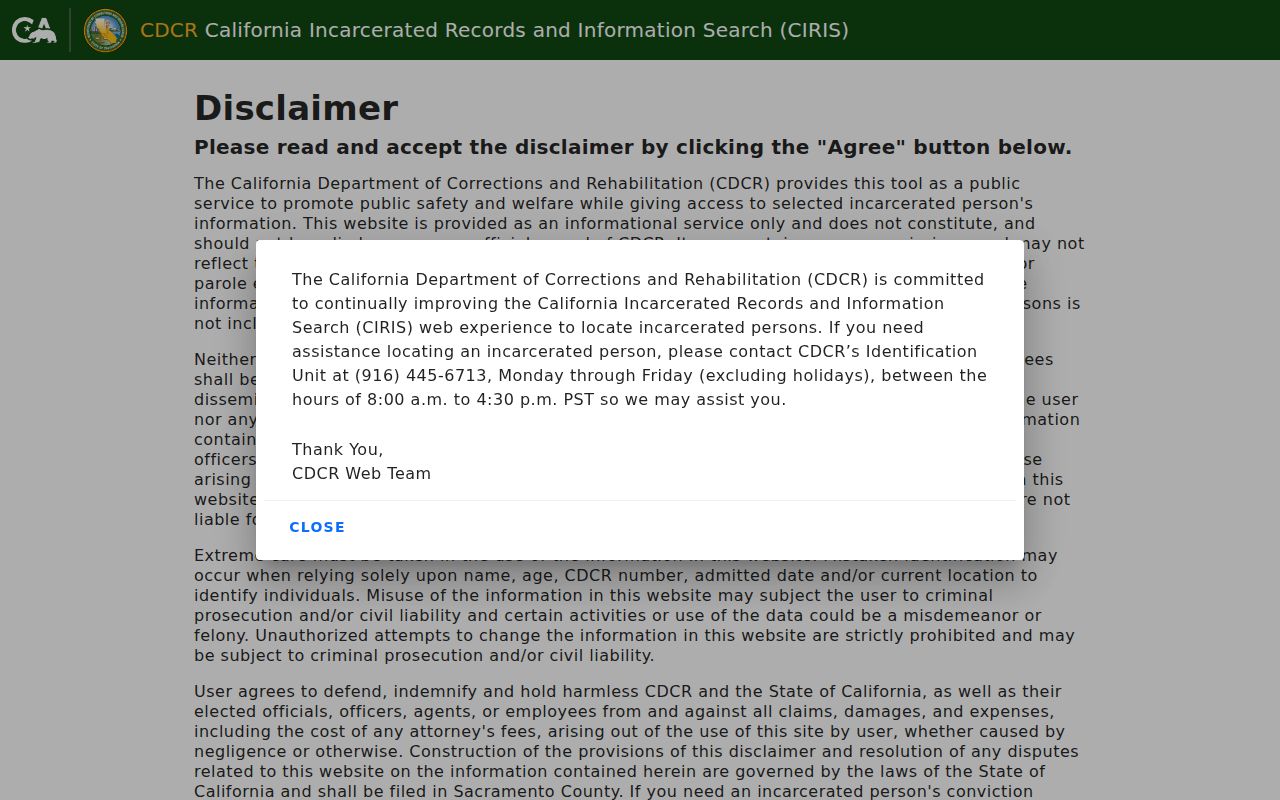
A state custody result identifies a record in that system. It does not establish a current Dinuba address.
Federal custody runs through a separate route, the Federal Bureau of Prisons inmate locator.
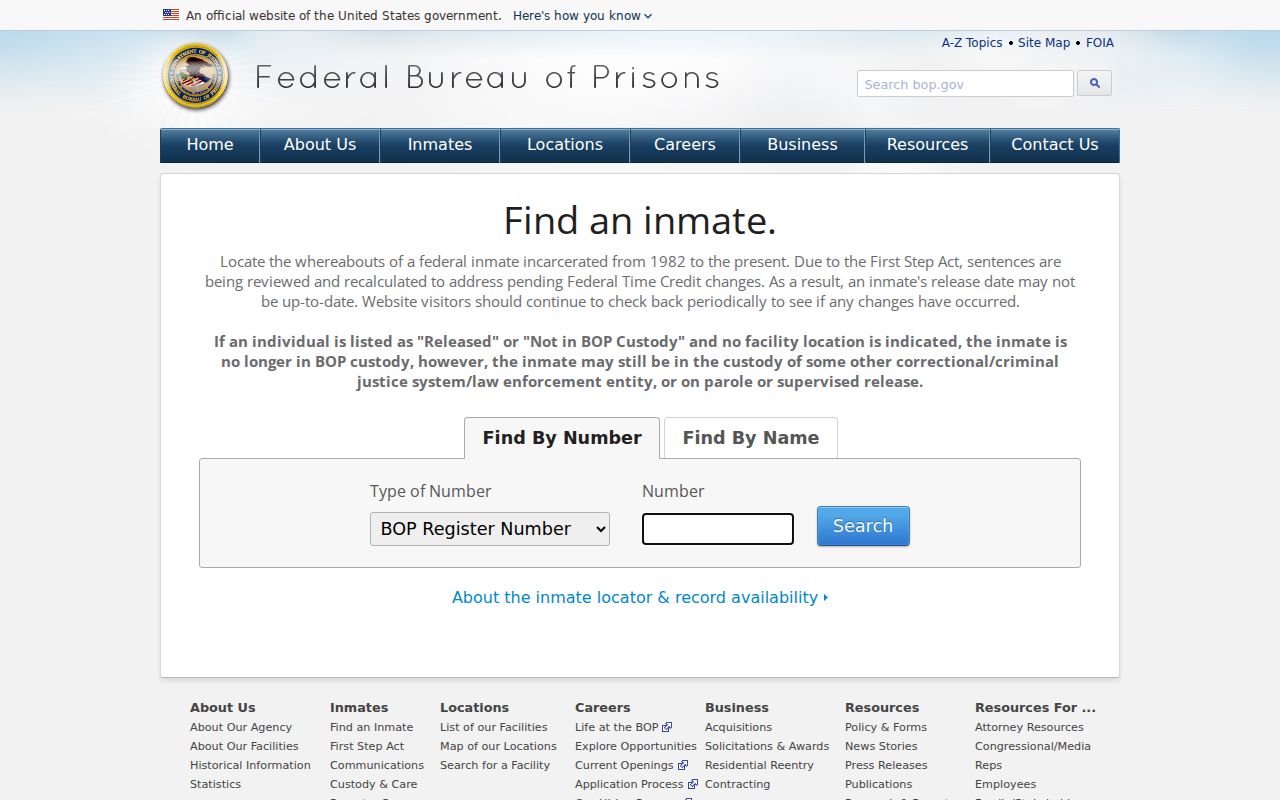
The federal locator gives a record-specific lead, while the county roster and state CIRIS remain separate custodians.
California's official Megan's Law search is the registry route for the display categories state law permits.
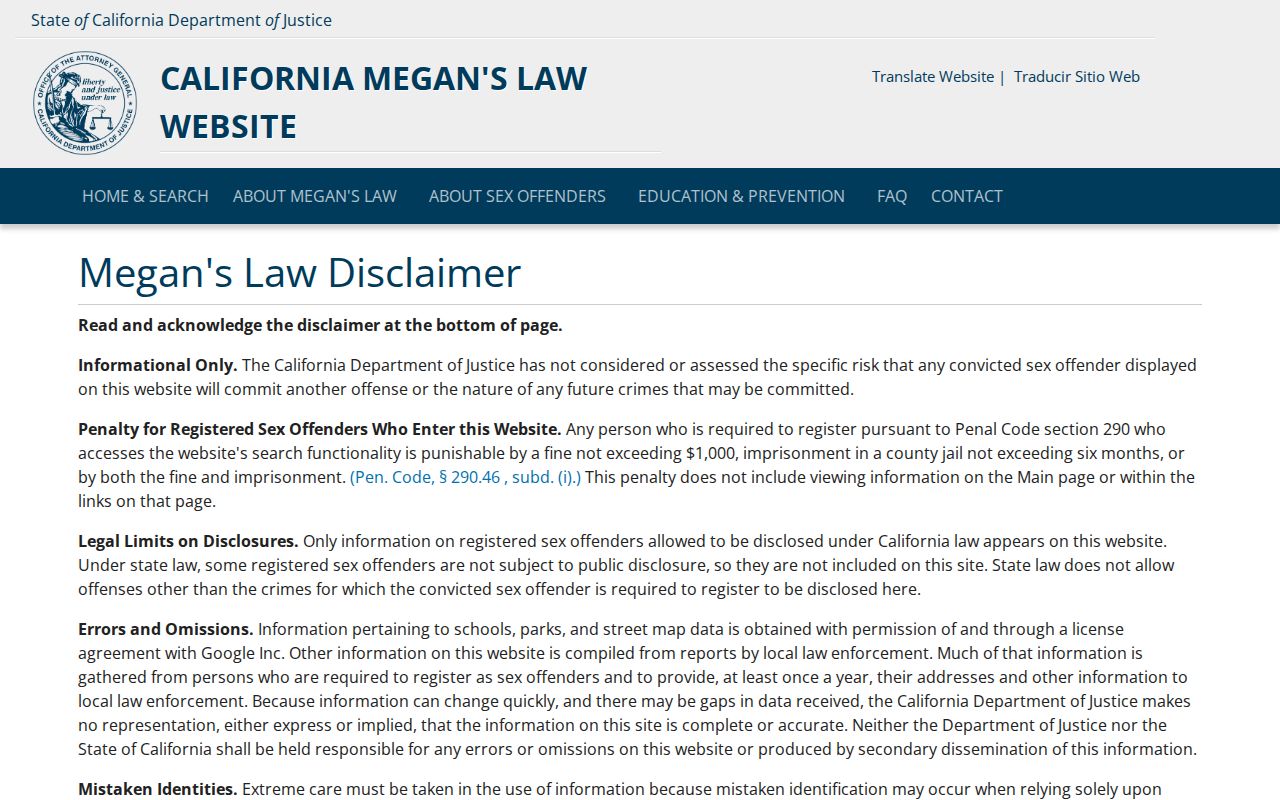
Registry displays can show a full address, a ZIP code only, or no public address, depending on the statutory category. Harassment or unlawful use is prohibited.
Dinuba's 93618 Boundary Clue
The verified Dinuba ZIP is 93618, served by the Dinuba Post Office at 222 S. K Street. Postal geography is helpful, but it is not a city-limit test. The 93618 area reaches rural territory well past the incorporated town. London Branch Library at 5711 Avenue 378 carries a Dinuba 93618 mailing address. Yet a postal city alone proves nothing about incorporation. Neighboring Sultana 93666 and Reedley 93654 are separate ZIPs. Orosi 93647 is a separate ZIP too. None are alternate filters for Dinuba.
Run any full address through USPS first. Then compare the result against Tulare GIS and the matching city or county planning map. A ZIP-wide owner or resident query simply is not something MPTS provides. The local parcel viewer does not provide it either. Neither does the recorder or My Voter Status. The Dinuba ZIP code directory keeps postal geography on its own track. It runs apart from the street and parcel chain.
Note: A Dinuba mailing city can sit outside the incorporated limits. So pair any ZIP result with a parcel-jurisdiction check.
Dinuba Safe at Home Limits
California Safe at Home gives qualifying survivors and threatened people a designated address, mail forwarding, and an agent for service of process. It also provides confidential voter registration. Government Code sections 6205 through 6216 back the program. Section 6209.5 goes further and allows address substitution on certain deeds and related land instruments. The protection covers future use of an address. It cannot erase public information already published.
Some records stay closed by design. Voter records, DMV residence addresses, sealed adoption material, and juvenile files may all be unavailable. Protected court information may be unavailable as well. When a substitute address or protected record turns up, stop the search. Do not triangulate around it. A lawful residents directory method respects the custodian's exemption. It moves to an allowed source instead.
Official Dinuba Sources Versus Paid Compilations
Commercial compilation tools can serve as uncited leads. Their blended records, stale addresses, paywalls, and unknown source dates make them poor substitutes. A Dinuba custodian offers clearer ground. Official records can be incomplete too. The difference is visibility. A custodian's keeper, search key, coverage, and correction route are all on display. Tie the choice to a lawful personal question. The official Dinuba street directory path usually wins.
| Route | Strength | Limit |
|---|---|---|
| County parcel and recorder | APN, legal instrument, indexed parties, document trail | Ownership is not occupancy; older name coverage is limited online |
| City, court, and state portals | Custodian-specific people, case, license, or municipal relationship | Eligibility, redaction, sealed-file, and purpose rules apply |
| Library and newspaper shelf | Historical households, moves, organizations, and family context | Physical inspection and uneven coverage are common |
| Private compilations | May suggest a spelling or old lead | Source date, blending, completeness, and correction path may be unclear |
Lawful personal use. Dinuba records support genealogy, reconnection, civic research, estate work, and personal safety awareness. Do not use a lookup to stalk, harass, intimidate, or harm a person. Verify a meaningful result with the custodian before relying on it.
A Dinuba Research Checklist
A careful Dinuba residents directory search leaves an audit trail. Write down the source date, the search key, and what each result actually says. Label every item for what it is. Call a parcel a parcel, an indexed party an indexed party, and a directory entry a historical entry. Call an official status result a status result.
- State the question in one line and choose the record custodian before searching.
- Preserve exact spelling, name order, diacritics, APN, case, entity, license, or document numbers.
- Use a second independent source for identity resolution, with time and address type recorded.
- Follow the documented fallback channel: counter, mail, microfiche, library, archive, or records request.
- Request a certified copy only when the legal task needs one, and keep the index separate from the copy.
California's Public Records Act, Government Code Division 10, sections 7920.000 through 7931.000, can support a request for identifiable, nonexempt records. Section 7922.535 requires a determination within ten calendar days. That deadline governs the determination, not the production itself. Court files follow judicial access rules, and protected data stays protected. The result is a Dinuba directory method that stays specific, verifiable, and honest about gaps.